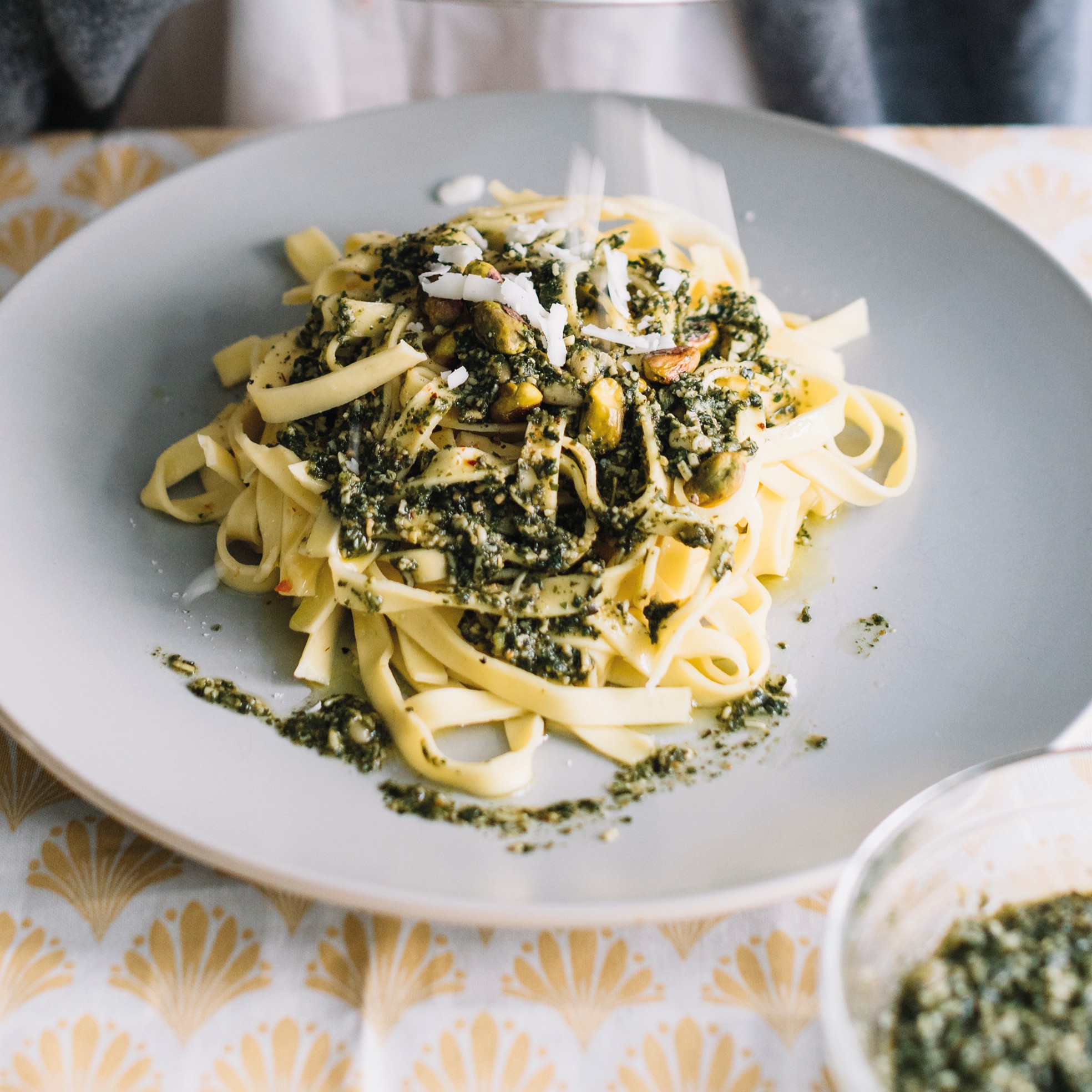
Gastronomy in Italy
mer. 2 déc. 2026 · 18:30
W:Halll - Centre culturel de Woluwe-Saint-Pierre, Brussels
La gastronomie en Italie
Millennial, multiple, and inspiring
Conference “Flavors and Knowledge” on the cultural history of our food
by Geneviève Lacroix, Historian,
UCL History graduate, Researcher specializing in the history of mentalities
En Italie, the Bolognese sauce does not exist. Associating it with spaghetti is even considered a barbaric heresy.
Italian gastronomic traditions are primarily rooted in their region and their particularism.
Based on principles theorized since Antiquity, recipes and practices have developed according to the reality of raw materials.
From the splendor of great palatial tables and the genius of Bartolomeo Scappi – cook to three popes and “re-discoverer” of foie gras from the feasts of Imperial Rome – to frugality established as a healthy and eternal lifestyle, what do dishes and their presentation tell us over the centuries?
Pasta and lasagna were well known in urban “tabernae” as early as the 1st century.
Are macarons macaronis? Why were the first treatises on table manners born during the Renaissance on the peninsula?
Why was the Slow Food movement born in Rome in 1986?
Why is “Italian” cuisine so copied, corrupted, and caricatured?
Our food has a long, cultural, and heritage history, and it continues to evolve based on its achievements, the collective imagination, and the transmission of this legacy.
We do not eat just anything in just any way.
Western European gastronomy has a rich, abundant, complex, and cultural history. We eat nutrients, and above all a holistic, symbolic, spiritual, and artistic imagination. Our food conveys a family, historical, and anthropological heritage.
Food is good to eat if it is good to think, according to Lévi-Strauss. The attraction to certain products may have evolved radically over the centuries; the psychological and emotional investment can be intense. Taboos, the relationship to the sacred, and exoticism also constitute the mental and gustatory image of dishes and products.
Lieu
W:Halll - Centre culturel de Woluwe-Saint-Pierre
Avenue Charles Thielemans, 93, 1150 Brussels
Plus sur shou — le guide quotidien des événements en Belgique :
Ce soir ·
Ce week-end ·
Tous les événements