 Theatre
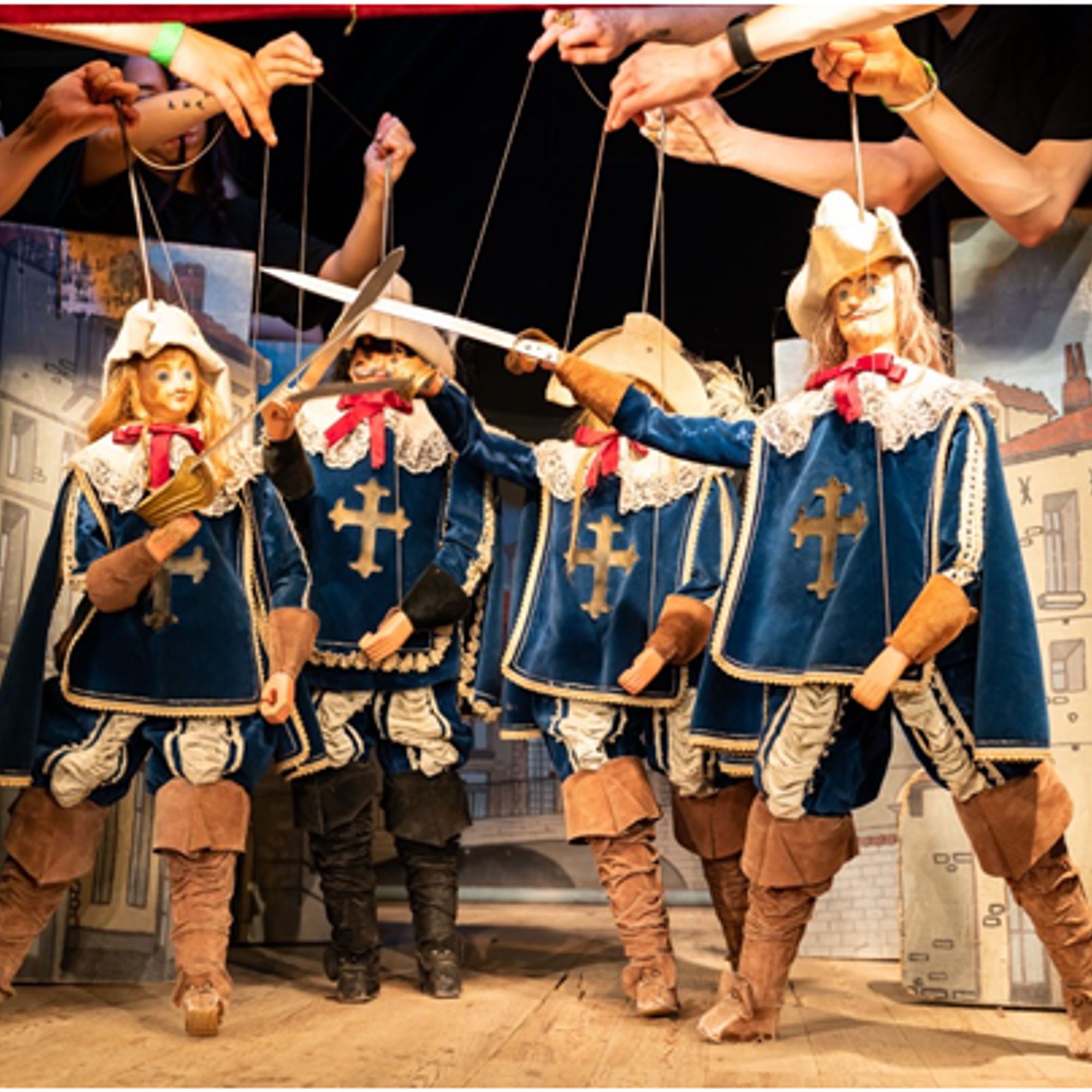
The Three Musketeers
Sat, 27 Jun 2026 · 16:00
Théâtre de Toone, Brussels
€15–20
It is in collaboration with Auguste Maquet that Alexandre Dumas writes "Les Trois Mousquetaires". They are named Athos, Porthos, and Aramis (all existed but were not of the same generation). They are in the service of Louis XIII. Arrived from his native Gascony on a yellow-coated nag, with a letter of recommendation from his gentleman father for M. de Tréville, captain of the guards, in Paris, d'Artagnan must earn his beautiful musketeer coat. He will start by fighting a duel with those who will become his inseparable friends. The love that d'Artagnan bears for Constance Bonacieux (Constanske at Toone), faithful chambermaid of Anne of Austria, launches him into the adventure known as the "Queen's Ferrets": twelve diamond ferrets, gifts from the king, that the queen offered to Buckingham. At the instigation of Cardinal Richelieu who wants to ruin the queen, Louis XIII summons his wife to wear them at the next court ball. These ferrets are actually metal tips that finish ribbons. In the case of the Queen of France, these ferrets are adorned with diamonds. For the convenience of the stage and also by confusion of narratives, these ferrets transform at the Toone of the past into the queen's necklace. This episode probably originates from another Dumas novel: "Le Collier of the Queen" which finds its source in the Affair of the Necklace of 1785-1786, a scandal that broke out in France at the end of the Ancien Régime, following a scam set up by the Countess de la Motte helped by Cagliostro. The latter convinced Cardinal de Rohan to buy for the queen a necklace that he could never repay. This affair compromised Queen Marie-Antoinette who was nevertheless innocent. Confusion in the narratives, anachronism are part of the daily life of the Toone. They hardly bother with details. As Molière used to say: "The important thing is to please!" Even today, Toone respects the anachronisms of his predecessors.
Venue
Théâtre de Toone
Rue du Marché aux Herbes - Entrée : Impasse Sainte Pétronille, 66, 1000 Brussels