 Exhibition
Gnawa Vision
Mon, 14 Sept 2026 · 13:00
Centre culturel Espace Magh asbl, Brussels
Free
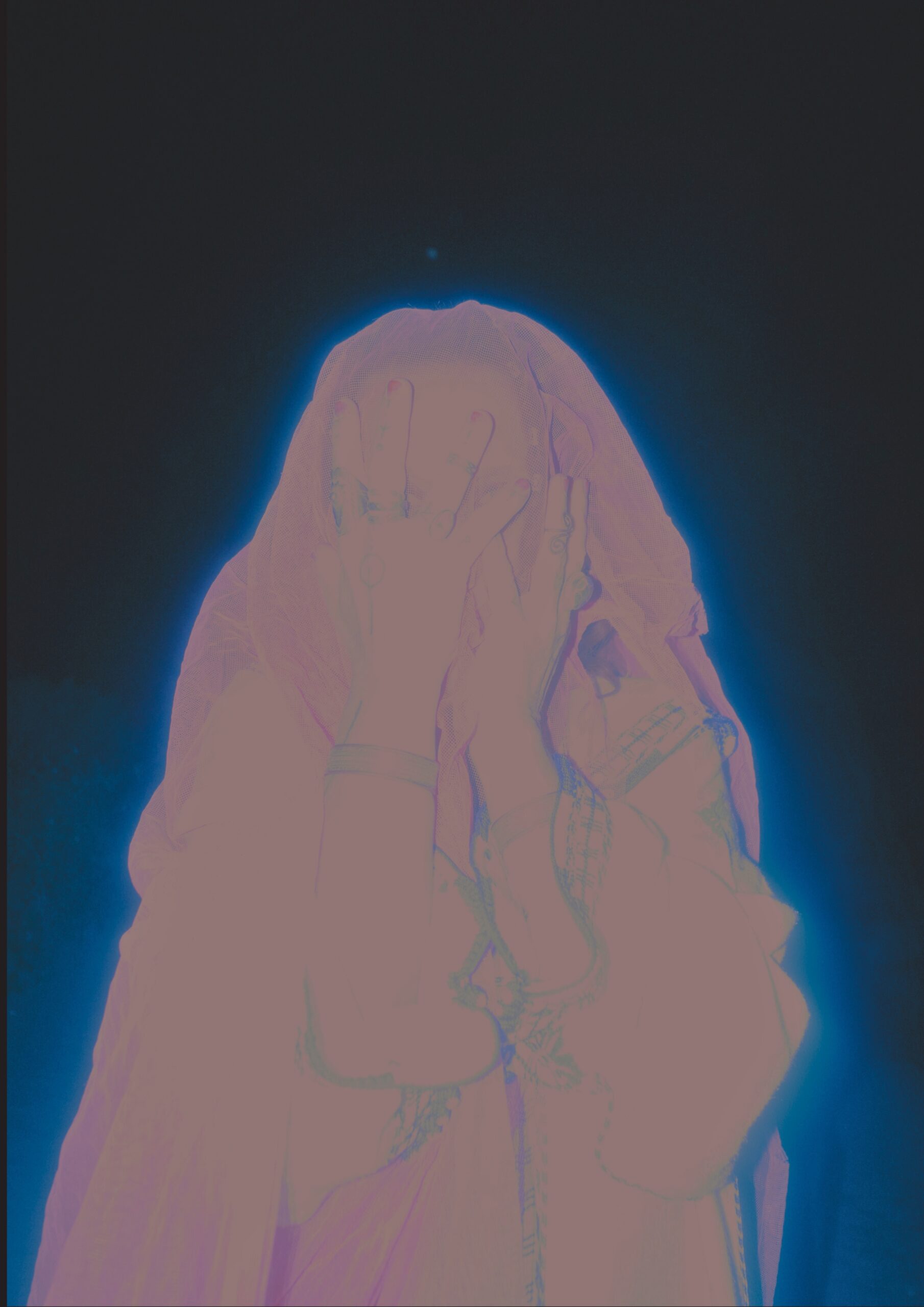
Conceived as a crossing, it borrows its chromatic structure from the lila gnawa. More than a ritual, the lila, literally the night in Arabic, is an experience of passage. A night of music, invocations, and colors, guided by the maâlem and the mqaddema, during which a cosmology based on the relationship between the visible and invisible worlds is actualized.
In the gnawa tradition, each color possesses its own energy, its frequency, its presence, and its symbolic universe. Associated with the mlūk (spirits), rhythms, ritual gestures, and states of trance, the colors compose a true sensitive cartography of the world. Black, white, blue, red, orange, purple, green, or even multicolored thus become gateways to different spiritual, emotional, and bodily dimensions.
The exhibition's path is inspired by this sensitive architecture: the photographs unfold from color to color, not only to document the ritual but to restore its internal logic.
Stemming from the circulations between sub-Saharan Africa and the Maghreb, gnawa culture is the fruit of a dialogue between African, Islamic, and Amazigh heritages. Its cosmovision envisions the world as a network of correspondences where music, bodies, perfumes, ritual objects, and colors participate in the foundation of the same symbolic grammar. The photographs gathered here explore this ritual depth without seeking to exhaust its meaning; they favor resonances over certainties, presences over demonstrations, letting appear what, in the gestures and bodies, carries the framework of a secular tradition that is still very much alive.
The little extra of the opening: a parade of Black Koyo!
During the exhibition's opening, Black Koyo invests the spaces with a musical parade. This festive stroll, carried by the sounds of the guembri, qraqeb, and gnawa chants, will offer a foretaste of the evening's concert!
Upcoming dates
Mon, 14 SeptTue, 15 SeptWed, 16 SeptThu, 17 SeptFri, 18 SeptMon, 21 SeptTue, 22 SeptWed, 23 Sept