 Theatre
So that the winds may rise
Tue, 16 Jun 2026 · 19:00
Théâtre Varia, Brussels
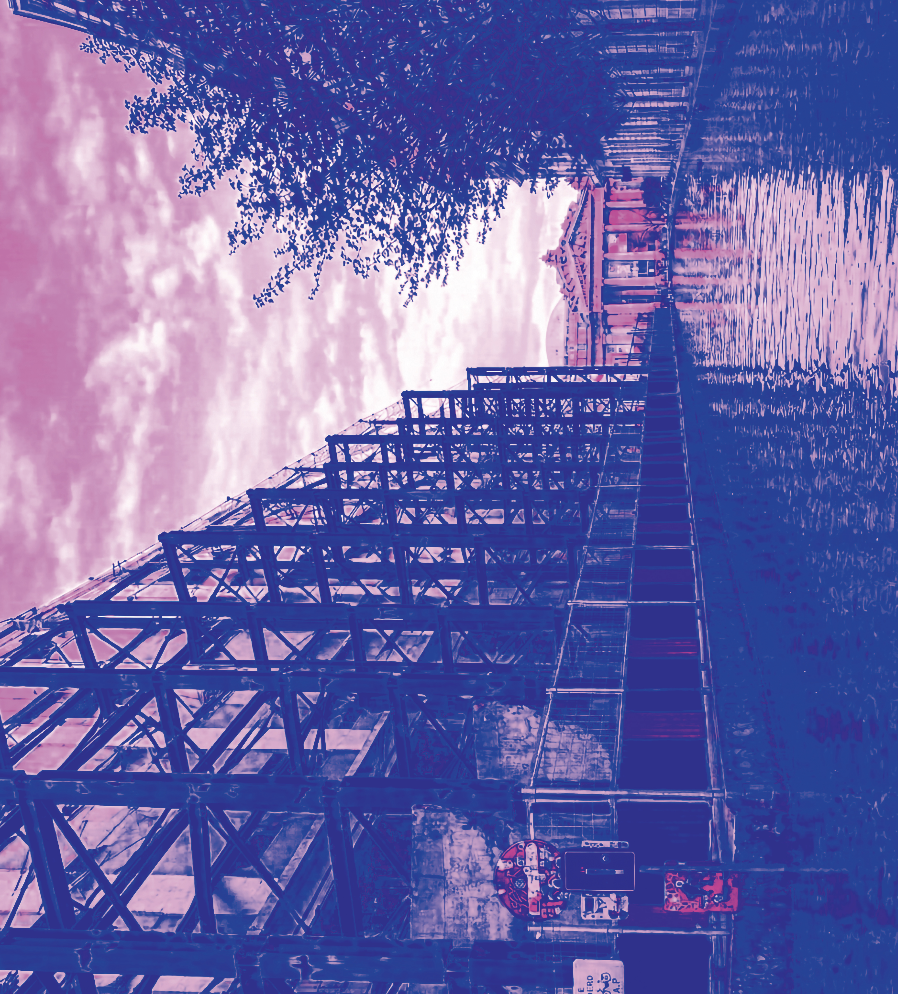
Pour que les vents se lèvent and winning the (Trojan) war, A father (Agamemnon) sacrifices his daughter (Iphigenia). To avenge his daughter, a woman (Clytemnestra) kills her husband. And to avenge his father, a son (Orestes) murders his mother. Violence calls for violence, until a tribunal puts an end to it and invents justice. It is the Oresteia (by Aeschylus), written in the 5th century (BC). Today, the gods have changed costumes. The palaces have become structures to assemble and disassemble. Information circulates, transforms, amplifies. The myth is still being reconstructed and is always replayed before our eyes. In a setting evoking our era of flux, twelve students in their final year at INSAS, accompanied by students in theater and communication technology, take hold, under the direction of Olivier Boudon, of Gurshad Shaheman's text to unpack the tragedy and expose its mechanisms. They dismantle the political and cultural imaginary of this canonical story, and reveal the narratives that have been set aside.