 Cinema
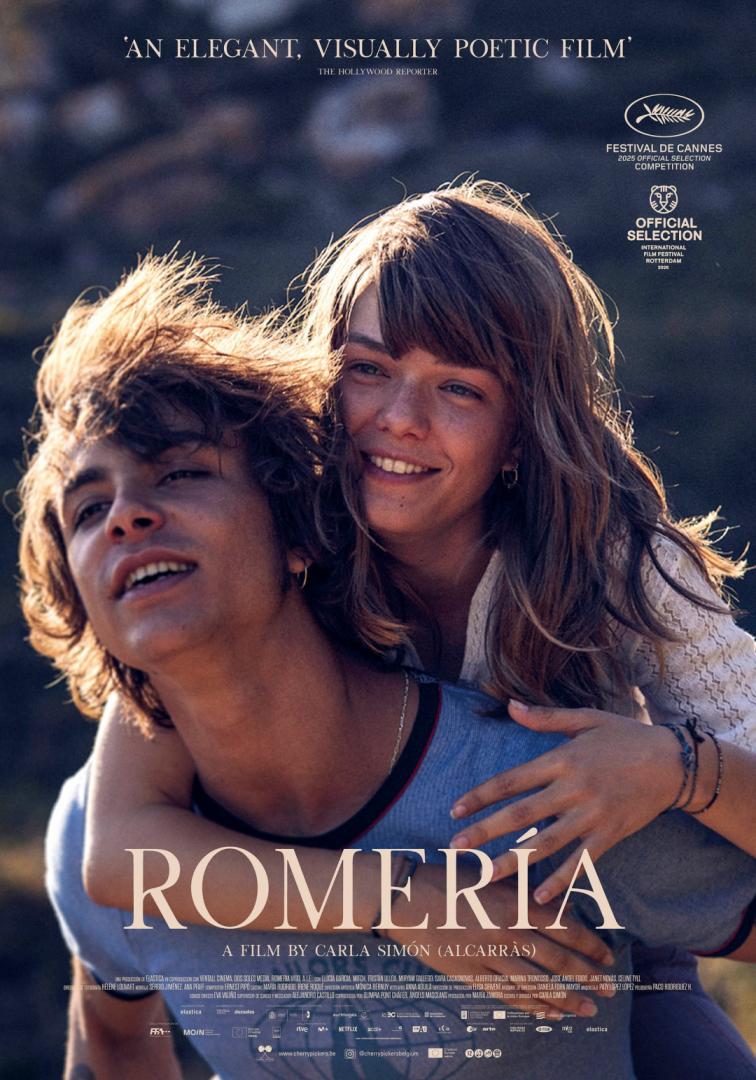
ROMERIA
Tue, 2 Jun 2026 · 13:45
Cinéma Palace, Brussels
Marina (Llúcia Garcia) is 18 and became an orphan very young. To obtain a signature for a scholarship application, she travels to the Atlantic coast of Spain to visit her paternal grandparents, whom she has never met. There, she finds herself in the middle of many aunts, uncles, and cousins, and she doesn't know if she is welcome or if she will encounter resistance. While the emotions of the past return, tenderness is reborn, and old wounds become visible, Marina tries to reconstruct the fragmented and sometimes contradictory memories of her parents. Romería, partly based on the life of the director Carla Simón, is an intimate and visually impressive drama. The film shows how imagination can bring comfort and reconciliation. It is the last part of a trilogy in which Simón explores her personal history. While Summer 1993 and Alcarràs take place in the Catalan countryside, this film takes place in northwestern Spain, in Galicia, and shows a hidden chapter of Spanish history through a generation in search of identity. Despite a different setting and tone from her previous films, Simón confirms with this third film that she is one of the most important voices in contemporary Spanish cinema. Romería was a great success in Spain, with more than 120,000 spectators in the first week, and premiered worldwide at Festival de Cannes, where it was nominated for the Palme d'Or.